Product successfully added to cart.
Shopping cart is empty.
Power for your office and home. Premium printer cartridges
batteries and chargers. Europe-wide.
At Techtek, we're passionate about helping you extend the life of your device. Our shop offers high-quality third-party batteries, power supplies, printer cartridges, and toners that deliver reliable performance.
We’re supplying a wide range of options for your favorite devices, prioritizing sustainable solutions that reduce electronic waste and contribute to a greener future.
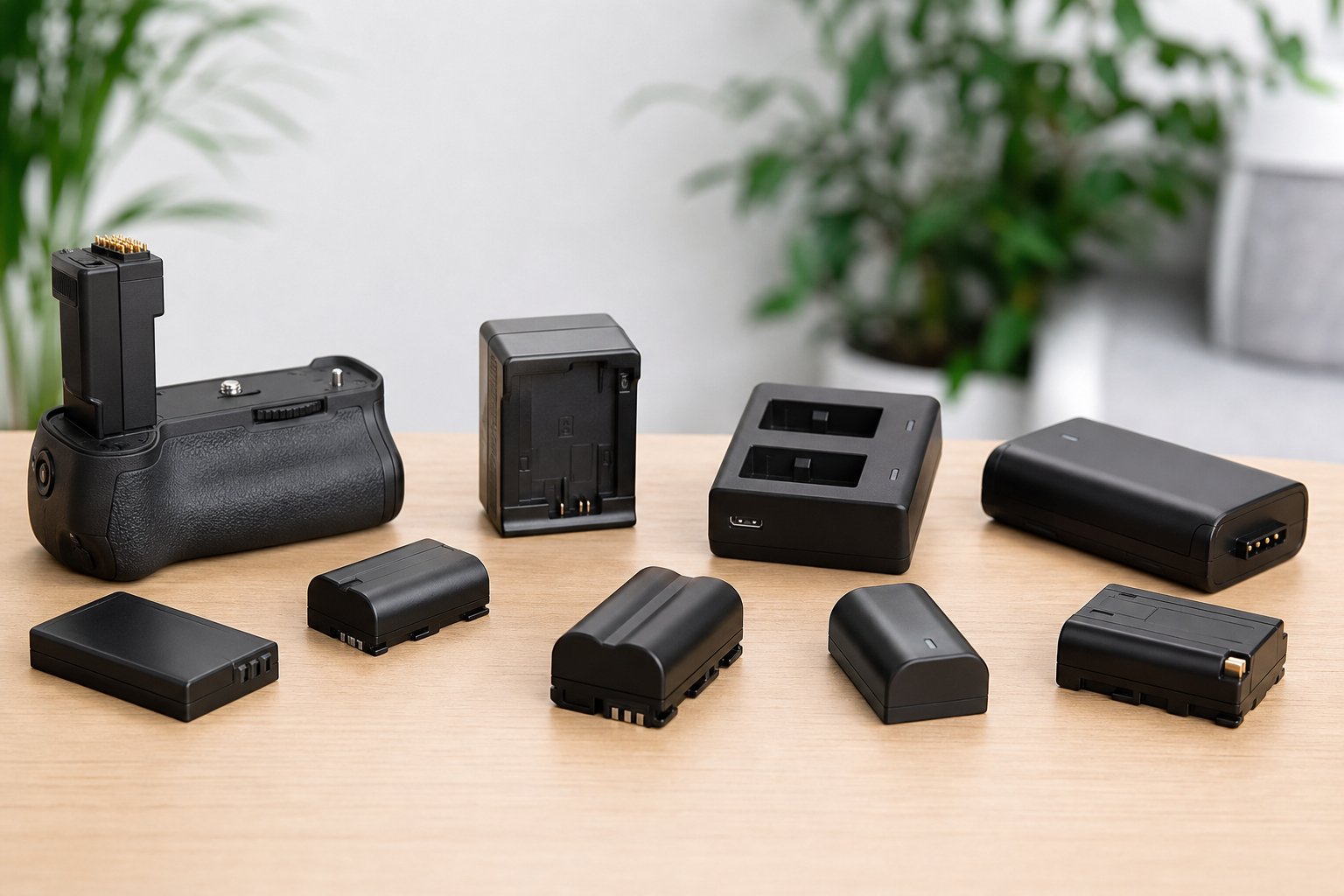
Introduction to the World of Cameron Sino Batteries Cameron Sino batteries are a highly regarded name in the world of portable power solutions. On our e-shop Techtek, we offer a wide range of these batteries, known for their quality, longevity, and reliability. Whether you are looking for a replacement for a worn-out phone battery or need a custom battery pack for a specialized device, Cameron Sino offers countless options. Quality and Specifications of Cameron Sino Batteries Cameron Sino is known for a wide range of battery capacities and chemical compositions that allow them to serve in various applications. Here are some key specifications to be aware of: Construction and Materials: We use top-notch materials and modern construction technologies. Each battery is equipped with protection against overcharging, short-circuiting, and excessive discharging. Capacity: We offer a wide range of capacities, from 600 mAh to 6000 mAh and more, allowing for longer life on a single charge. Battery Chemistry: Primarily lithium-ion (Li-ion) and lithium-polymer (Li-poly), ensuring high energy density and low weight. Comparison with Competitors When selecting the right battery, it's important to consider the competition on the market. Cameron Sino excels in several areas, often surpassing other manufacturers: Manufacturer Capacity (mAh) Price (CZK) Lifespan Cameron Sino 1000 - 6000+ 300 - 1500 3 - 5 years Competitor A 800 - 5000 250 - 1300 2 - 4 years Competitor B 600 - 4000 200 - 1200 1 - 3 years Practical Tips for Using Cameron Sino Batteries To ensure your Cameron Sino battery lasts as long as possible, follow these practical tips: Store batteries in a dry and cool place at room temperature. Avoid complete discharge; try to maintain the battery between 20-80% capacity. If you won't be using the battery for an extended period, discharge it to approximately half. Conclusion and Recommendations Cameron Sino batteries offer reliable and long-term solutions for various needs of your electronic devices. Their quality construction and wide selection make them an ideal choice. We recommend them to everyone seeking not just a replacement, but an enhancement in their device's performance. Visit our e-shop Techtek and discover the complete range of Cameron Sino batteries today!...
Keeping your battery in great condition is not just about the latest technology – proper care is key. The following tips will help you get the most out of each charge and slow down the natural aging of the battery. 1. Maintain Proper Temperature Avoid overheating During charging or intensive use, the battery may generate heat. If your device is getting too hot, consider temporarily removing the case or moving it away from direct sunlight or other heat sources. Don’t let the battery freeze Extremely low temperatures temporarily reduce capacity and, in extreme cases, may damage the battery. 2. Charge Timely, Don’t Overcharge Optimal range: 20–80% If possible, avoid letting the battery drop to 0% or staying at 100% for extended periods. Regular charging within this mid-range best supports battery longevity. Don’t leave your device constantly plugged in Although modern batteries and power management limit the impact of overcharging, it's better to unplug the charger once the battery reaches a sufficient level. 3. Turn Off What You Don’t Need Wireless functions Wi-Fi, Bluetooth, and GPS can run in the background and consume power. Turn them off when not needed. Auto-brightness The screen is one of the biggest battery drainers. Set a lower brightness level or turn off auto-brightness if it’s too aggressive. 4. Watch Background Apps and Services Manage running apps Some apps keep running and unnecessarily drain power. Limit or close apps you’re not currently using. Software updates New versions of operating systems and apps often include energy-saving improvements. Keep your device updated. 5. Long-Term Storage Around 50% charge If you're not using the device for a while, store it with the battery charged to about half. This prevents deep discharge or unnecessary overcharging. Cool, dry place Ideal storage conditions include a stable, lower temperature. Avoid damp or overly warm locations. 6. Occasional Calibration When to calibrate If your battery indicator seems inaccurate (e.g., the device shuts down unexpectedly or runs too long at “0%”), you may need to calibrate the battery. How to calibrate Fully charge the battery to 100%. Use the device until it completely discharges and shuts down. Recharge to 100% without interruption. This process only needs to be done once every few months. Doing it too often is not recommended. 7. Use Accessories with Proper Specs Check voltage and current Every device has specific input requirements. If the charger matches those values, you're good to go. Safety standards Accessories should meet at least basic safety standards to ensure reliable charging and protection against short circuits or overheating. Summary Optimize charging – ideally keep the battery between 20–80%. Mind the temperature – avoid extremes and let your device dissipate heat. Limit unnecessary functions – turn off unused services and lower screen brightness. Update software – newer versions often improve power management. Store properly – if not using the device, store it at ~50% charge. Calibrate occasionally – calibration helps restore accurate charge estimates and should be done only when needed. By consistently following these practices, you can significantly extend your battery's lifespan and enjoy smoother daily operation with all your electronic devices. ...
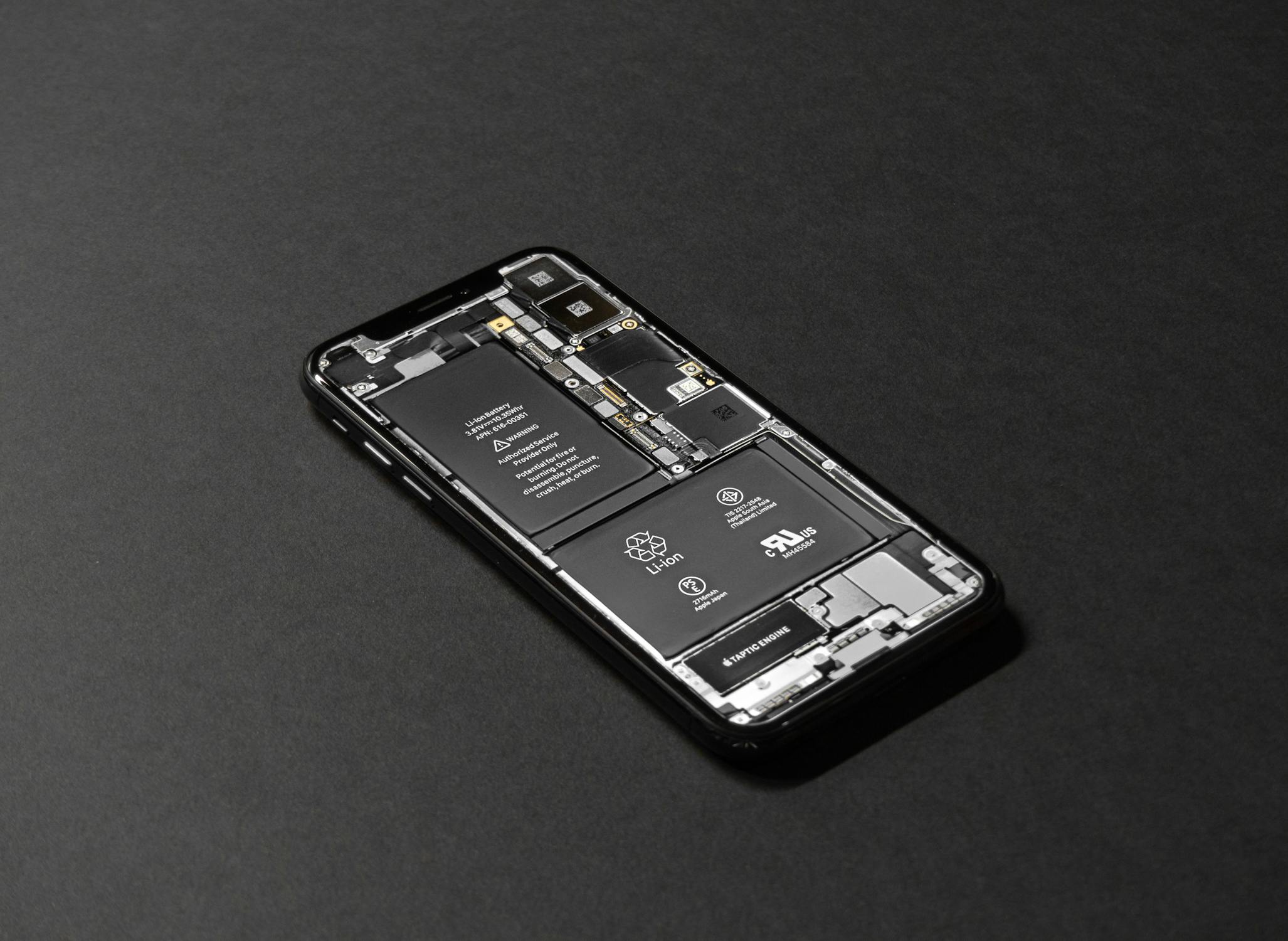
Batteries are an essential component of many modern devices such as laptops, GPS navigators, vacuum cleaners, and other specialized electronics. Understanding battery specifications correctly helps you choose the right product that ensures optimal performance and long lifespan for your devices. In this article, we focus on the key parameters of batteries such as dimensions, voltage, capacity, and other important symbols that will help you make the right choice. Battery Dimensions Height, Width, and Depth The dimensions of a battery are crucial for its compatibility with your device. For specialized batteries such as those used in laptops, GPS units, or vacuum cleaners, it’s important to know the exact measurements including height, width, and depth. Height: Indicates the thickness of the battery, which can affect its capacity and performance. Width: Indicates the width of the battery, which is key for proper placement in the device. Depth: Indicates the length of the battery, important for ensuring compatibility with the spatial constraints of the device. How to Measure Battery Dimensions When choosing a battery, it is important to measure its dimensions accurately: Height: Measure the thickness of the battery from the bottom to the top. Width: Measure the width at the widest part of the battery. Depth: Measure the length of the battery from one end to the other. Accurate measurements will ensure the battery fits properly in your device and delivers the expected performance. Battery Voltage What Is Battery Voltage? Voltage (V) is a fundamental battery parameter that indicates the electric potential provided by the battery. The correct voltage is essential for the proper functioning of the device and to avoid damage. Low voltage (e.g., 3 V): Used in smaller devices such as GPS units or portable monitors. Medium voltage (e.g., 12 V): Common in laptops and cordless vacuum cleaners. High voltage (e.g., 24 V and more): Used in more powerful devices requiring higher performance. How to Choose the Right Voltage When selecting a battery, always check the voltage requirement of your device. This information can be found in the user manual or on the original battery. Using a battery with the wrong voltage may lead to device malfunction or damage. Battery Capacity What Is Battery Capacity? Battery capacity indicates how long the battery can supply power before it runs out. It is measured in milliampere-hours (mAh) or ampere-hours (Ah). Higher capacity (e.g., 3000 mAh): Longer runtime between charges. Lower capacity (e.g., 1500 mAh): Shorter runtime, suitable for devices with low power consumption. Factors Influencing Capacity Battery Chemistry: Lithium-ion batteries offer higher capacity and longer lifespan than alkaline or NiMH batteries. Battery Size: Larger batteries generally provide higher capacity. Usage Conditions: Extreme temperatures and heavy use can reduce the effective capacity of the battery. Other Symbols and Markings Battery Chemistry Types Different battery types use different chemical reactions to store and release energy. The most common types include: Lithium-ion (Li-ion): High energy density, long lifespan, low weight. Ideal for laptops, GPS units, and cordless tools. Lithium-polymer (Li-Po): More flexible shape, lower weight, suitable for slim devices. Nickel-Metal Hydride (NiMH): Rechargeable with good capacity, but lower energy density than Li-ion. Alkaline batteries: Less common for specialized devices, but still used in some applications. Battery Status Indicators Many modern batteries feature built-in indicators to show their charge status. These may include: LED lights: Show charge level using color lights. Digital displays: Accurately show percentage of charge remaining. Color bars: Simple visual indicators on the battery itself. Recycling and Eco Markings With growing focus on environmental protection, it is important to recycle batteries properly. Look for markings such as: Recyclable: Batteries that can be safely recycled. Free of harmful substances: Batteries that do not contain heavy metals or other toxic chemicals. How to Choose the Right Battery When choosing a battery, consider several key factors: Device type: Identify what kind of battery your device requires (e.g., laptop, GPS, vacuum cleaner). Dimensions: Ensure the battery physically fits your device (height, width, depth). Voltage and capacity: Make sure the battery has the correct voltage and sufficient capacity for your needs. Battery chemistry: Choose the appropriate type of battery based on device requirements and environmental preferences. Compatibility: Verify the battery is compatible with your device, both physically and electrically. Price and availability: Compare prices and availability of different battery types to find the best value for money. ...